

This article explores how attention has become the currency of the new era, analyzes the core value of mindshare in social media, financial markets, and brand economics, and introduces InfoFi (the financialization of information) as a tool that enables knowledge to be tokenized.
In 2025, attention will become a currency more valuable than data. Mindshare is everything. If you thought I would start this article with a direct and bold line like a typical venture capitalist, you’re absolutely right — but please keep reading.
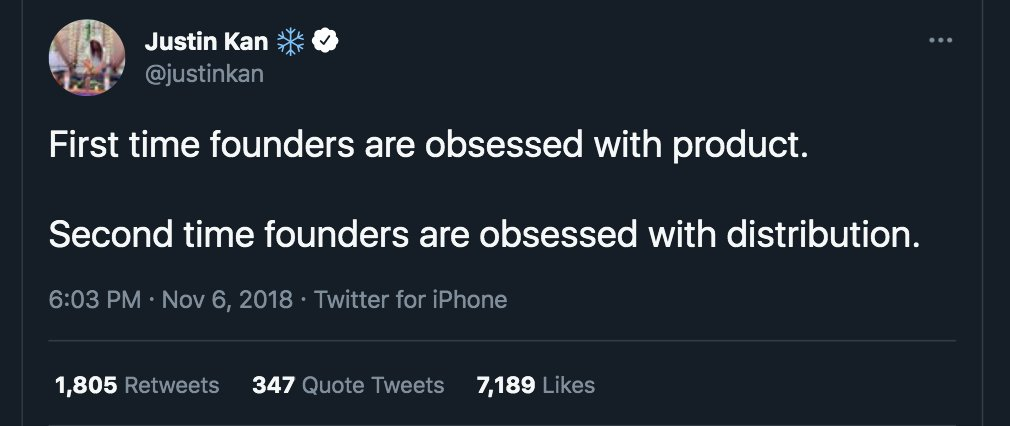
Throughout history, attention has always been the most valuable currency. This is the point where people start “selling” a product. Before the internet, newspapers, TV, and traditional advertising were the tools used to direct this attention. It was no coincidence that cigarette companies ran aggressive campaigns and tied their products to controversial social themes — because that meant more attention and thus more sales.
The formula is simple: Attention → Mindshare → Distribution.
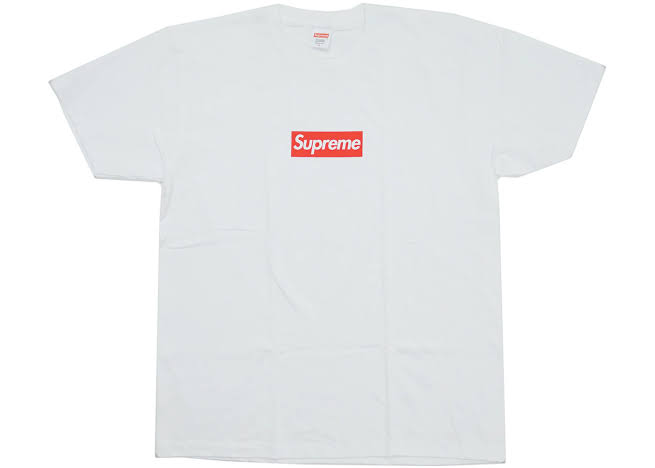
Then came the era of brands. Brands like Nike, Lucky Charms, and Nutella mastered emotional marketing to increase memorability and profit margins. People became willing to pay 30 percent more for the same product solely because of brand perception. I admit, I was one of those victims. In my college years, I almost spent hundreds of dollars on a Supreme Box Logo tee — I should have bought ETH instead, but the past is the past.
I almost bought this nonsense for nearly $1,000, but I should have bought ETH. By the 2020s, everything became about digital mindshare.
This shift accelerated during COVID but its roots go back to the rise of YouTubers.
Creators like Ryan Higa and Smosh reached huge audiences with videos they started as a hobby. Social media multiplied this effect. Facebook, Twitter, and Instagram amplified independent creators’ reach beyond that of many traditional celebrities. For example, when Casey Neistat started daily vlogs in 2015, it was still unclear whether such content would turn into business opportunities. Companies tried to jump on the trend at the time (remember BuzzFeed?), but it didn’t end well.
Today, the picture is completely different. Creators like MrBeast are building multimillion dollar businesses directly leveraging their distribution channels. Rhett & Link acquired and expanded Mythical Entertainment using their YouTube community.
For example, Casey Neistat started daily vlogs in 2015 — just ten years ago — and even then it wasn’t common for major YouTubers to convert their reach into business ventures. Companies tried to benefit from this trend (BuzzFeed, anyone remember?), but we all saw how that ended. Fast forward to today, creators like MrBeast have built multimillion dollar businesses purely from distribution. For example, Rhett & Link used their YouTube audience to buy and expand the Mythical Entertainment network.
It’s now obvious: every business is competing for mindshare. Every business, regardless of product, is fighting to stay top of mind. Mindshare is the new premium in capital markets. A company’s stock or token price often depends more on its mindshare than its real fundamentals. Think about Tesla. If Elon Musk weren’t constantly capturing attention, Tesla wouldn’t reach its current valuation. This example alone shows why mindshare will become even more important and how it will be financialized. And that brings us to the new era.
If you get this reference, we can be friends
So what even is InfoFi?
The term InfoFi (Information Finance) was popularized by Kaito, but I argue its scope is far broader than the initial definition.
According to Grok (and as Kaito states), InfoFi is:
“an emerging concept that combines financial incentives with information production, verification, and distribution, often in decentralized systems. It aims to address issues such as untrustworthy data, biased algorithms, and unfair value distribution in today’s information economy, leveraging market forces to deliver more accurate, reliable, and efficiently curated information.”
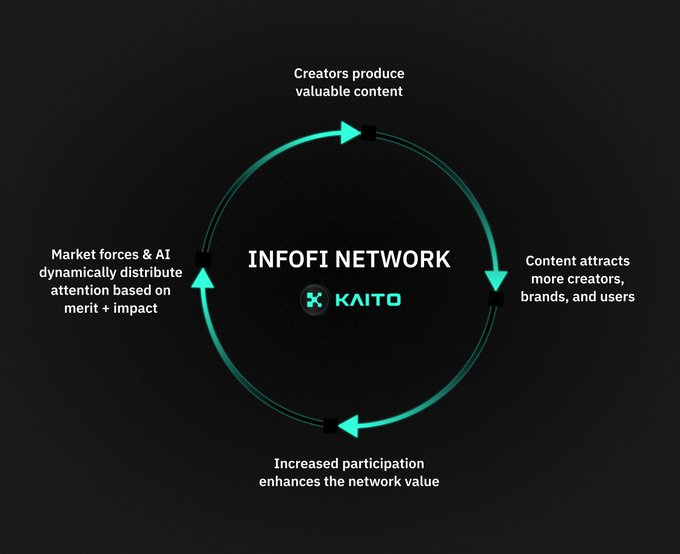
While this definition is valid, I believe InfoFi summarizes something deeper.
Fundamentally, I believe InfoFi tokenizes the information supply chain itself.
It is the idea that information is not just free, but also a resource that can be priced, traded, and enhanced through financial mechanisms.
For years, monetizing attention required creating a separate product and then directing attention to it. That model worked well:
- Food influencers → restaurants/sauces (Uncle Roger, David Chang)
- Fashion influencers → clothing brands (Alexa Chung, Kardashians)
- Fitness influencers → protein powders/energy drinks (Christian Guzman)
- Investors and financial firms → financial products (ARK Invest, VC funds targeting LPs/HNWIs)
- Fake finance gurus → trading signal groups (iykyk)
- Toxic masculinity influencers → MLM schemes (iykyk)
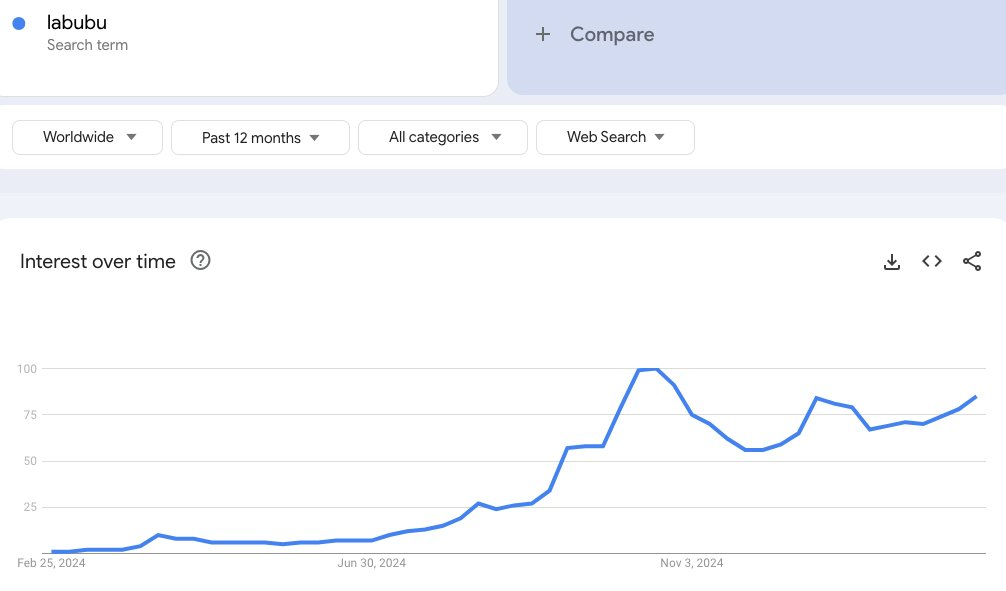
But now, we are on the verge of trading mindshare itself. Instead of building derivative businesses, imagine a world where people can directly invest and trade in cultural trends, narratives, or attention cycles. For example, when Labubu went viral, there was no effective way to bet on its sustained popularity. A memecoin ($LABUBU) appeared briefly, but its price action was mostly uncorrelated with the real trend — driven more by general crypto movements than pure mindshare. InfoFi proposes a more direct, liquid mechanism for speculating on attention.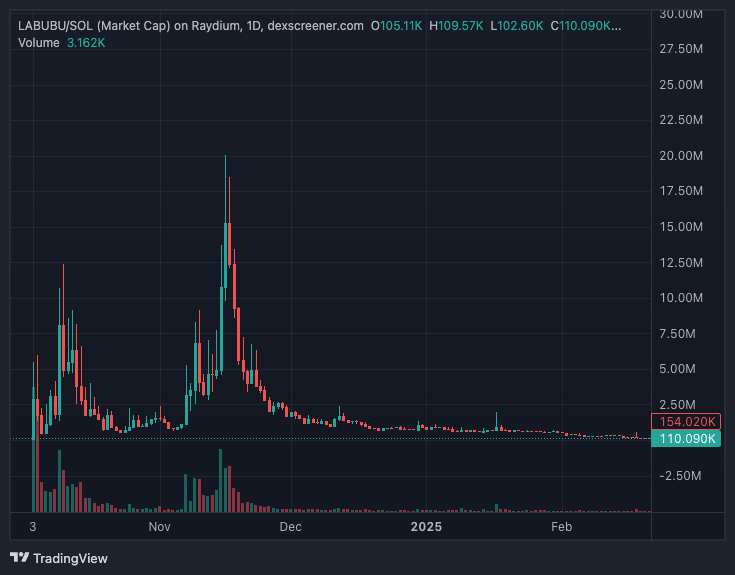
The Role of Trusted Oracles in InfoFi
For InfoFi to emerge as a truly trustworthy sector, it requires reliable Oracle data sources to securely and immutably bring off-chain information on-chain. Since InfoFi applications involve trading narratives, trends, and market sentiment, real-time data feeds are critical.
Currently, Oracle solutions like UMA, Chainlink, Pyth, and API3 provide essential off-chain data services powering DeFi markets. These oracles allow applications to settle bets, verify market trends, and aggregate price data from multiple sources.
Challenges and Limitations of Current Oracle Infrastructure
Despite advancements in decentralized oracles, several challenges still hinder the widespread adoption of InfoFi applications:
- Lack of Real-Time Sentiment Analysis - Most Oracle networks focus on price feeds or structured event outcomes. To power InfoFi, oracles must be able to track and measure social sentiment, attention trends, and viral activity metrics with minimal latency.
- Verifiability and Subjectivity - Unlike price data, sentiment analysis contains subjective interpretation. How can we ensure sentiment data is objective and resistant to manipulation?
- Scalability of Data Feeds – Oracles today rely on a limited set of verified sources. InfoFi requires highly scalable aggregation across news articles, social media, prediction markets, and niche forums to deliver accurate insight.
- Data Source Manipulation - Since InfoFi focuses on narrative speculation, adversaries may attempt to artificially amplify narratives (bot farms, fake engagement). Oracles must detect and filter such anomalies.
- Economic Incentives for Data Providers - Who verifies that an Oracle’s data feed is trustworthy? Mechanisms like staking, slashing, and reputation scoring must be strong enough to ensure honest reporting.
The next evolution of oracles in InfoFi will likely involve AI-powered data aggregation, incentive-aligned reputation mechanisms, and real-time trend validation to ensure that narrative-driven financial products are secure, scalable, and resistant to manipulation.
InfoFi’s Expanding Market Scope
Prediction markets, an early iteration of Information Finance, have long allowed speculators to bet on real-world events based on information edges. Platforms like Polymarket, Kalshi, and Augur demonstrate this potential, though adoption remains niche.
Similarly, data marketplaces tried to tokenize and trade datasets since the 2017 ICO boom (showing my age), but unclear value propositions and inefficient token economics prevented traction.
However, InfoFi represents a more advanced, scalable iteration of these concepts. Instead of focusing solely on bets or data trades, InfoFi makes mindshare itself a tradable asset.
Examples of possible InfoFi markets:
- Narrative-based ETFs: Tokenized baskets tracking attention themes (eg “AI Trend Index,” “Metaverse Buzz Basket”)
- Tokenized creator revenue shares: allowing fans to speculate on a creator’s future influence
- Meme crypto derivatives: more sophisticated ways to speculate on cultural phenomena without traditional tokenomics
- Tokenized media channels: subscription content platforms where ownership is fractionalized and tradable
The question is: what will be the killer application that establishes InfoFi as its own category rather than a DeFi sub-niche?
Key Takeaways
- InfoFi challenges the idea that information is free. Instead, it argues that attention, narratives, and data have intrinsic value that can be traded, speculated on, and financialized in structured ways.
- InfoFi is the natural progression of the attention economy. As mindshare increasingly determines financial outcomes, markets will develop ways to capture and monetize attention cycles directly.
- InfoFi opens up new financial markets. Instead of directing attention toward businesses, InfoFi enables speculation directly on cultural moments, influencer growth, and trending narratives.
- The key to InfoFi’s success lies in product–market fit. The challenge is to build liquid, scalable, compelling instruments that stand out as a new financial paradigm rather than another DeFi gimmick.
Conclusion
We are in the early days of InfoFi, but the financialization of attention is inevitable. Whether through prediction markets, influencer-backed instruments, or tokenized trends, the next wave of financial innovation will focus on how effectively we can value and trade digital mindshare.
Share
Content
So what even is InfoFi?
The Role of Trusted Oracles in InfoFi
Conclusion


Sign Up
Related Articles
Intermediate
Spot Crypto ETFs: Global Rise and Turkey’s Roadmap
What are spot crypto ETFs, how do they work, and why are they important? In this comprehensive Turkey-based analysis, we explore global ETF trends, the increasing interest of governments and institutional investors in crypto, regulatory frameworks, and future projections in depth.
2025-11-18 08:29:40

Beginner
The 10 Biggest Crypto Hacks in History
This article takes an in-depth look at the 10 most shocking crypto hack incidents in history. We will explore famous hacker groups, common attack methods,
2025-11-24 10:39:51
Beginner
November 2025 Crypto Summary: Institutional Adoption and Market Dynamics
November 2025 Crypto Summary: Institutional Adoption and Market Dynamics
2026-01-06 08:48:48