

Explore the latest developments in the cryptocurrency market, spotlighted projects, and potential investment opportunities, all consolidated in a single weekly bulletin. Gain insights through market analyses, significant announcements, and sector-wide summaries that capture the pulse of the crypto world.
Period: 10.11.2025 – 14.11.2025
Summary
The week’s global market developments underscored the increasing integration of the cryptocurrency sector into the traditional financial system. Asian stock markets opened strongly on optimistic news regarding the potential reopening of the U.S. federal government, with heightened risk appetite driving gains across regional indices. The inclusion of five spot XRP ETFs by the U.S.’s largest clearinghouse, DTCC, alongside ten consecutive days of net inflows into Solana ETFs, highlighted renewed institutional interest. Tether’s digital transformation partnership with the city of Da Nang in Vietnam signaled the growing adoption of blockchain technology in public sector initiatives, while China’s accusation of the U.S. orchestrating a $13 billion Bitcoin theft added a geopolitical dimension to the crypto landscape.
Despite a decline in Bitcoin prices, a record $524 million inflow into U.S. spot ETFs demonstrated sustained long-term investor confidence. Taiwan’s plans to establish a national Bitcoin reserve and the SEC’s development of a “token taxonomy” indicated that regulatory frameworks are beginning to take shape, while the Central Bank of Russia’s preparations to allow investment funds to engage in crypto derivatives reflected a shift toward more open policies even among previously cautious jurisdictions. Collectively, these events portray a crypto market that is maturing, increasingly institutionalized, and increasingly entwined with global financial governance.
Strong Start in Asian Markets on Hopes of U.S. Government Reopening
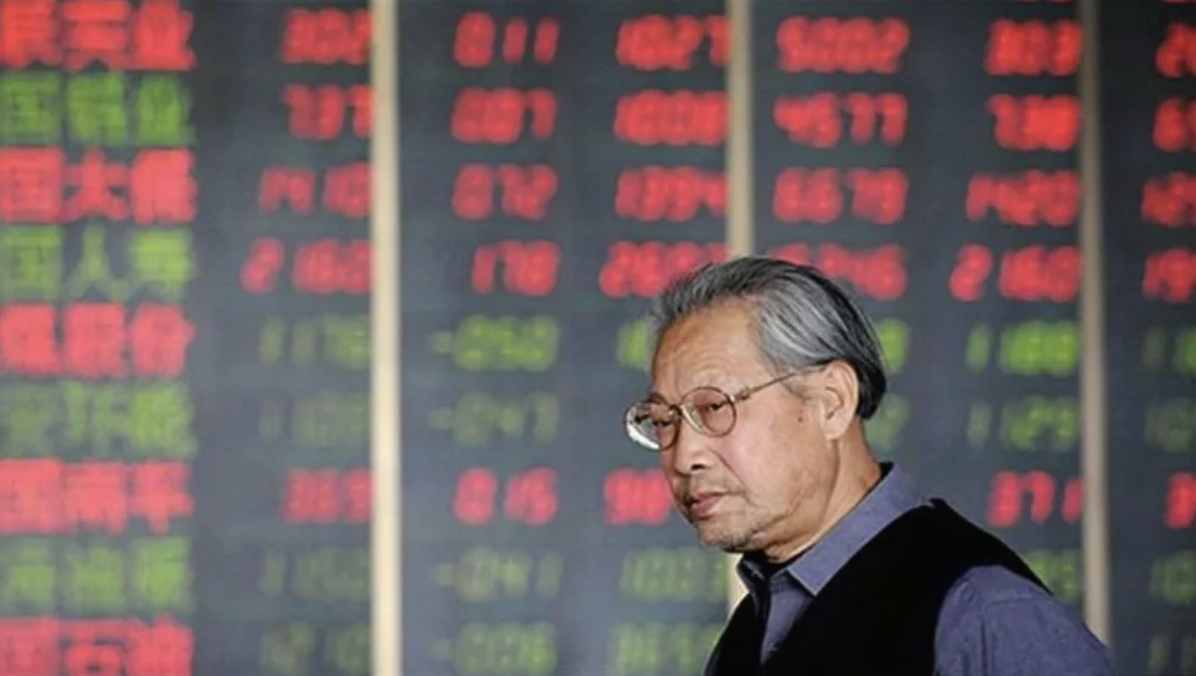
Asian markets began the week with a pronounced upward momentum, driven largely by optimistic news suggesting a potential reopening of the U.S. federal government. Following a prolonged budget impasse, the alleviation of shutdown risks significantly bolstered investor confidence. As global risk appetite rebounded, major indices across Asia recorded notable gains.
In Tokyo, the Nikkei 225 climbed more than 1% on the first trading day of the week, while South Korea’s KOSPI index, led by technology stocks, exhibited a robust recovery. China’s Shanghai and Shenzhen indices also trended upward, with local investor sentiment fueled by expectations of government measures to support economic growth.
Analysts noted that the reduction in political uncertainty in the U.S. eased global risk perceptions, prompting investors to reallocate toward higher-risk assets such as equities. A modest weakening of the U.S. dollar further supported Asian currencies and, by extension, regional equity markets. Experts emphasized that upcoming U.S. economic data and statements regarding the Federal Reserve’s monetary policy will be critical in determining the sustainability of this positive trajectory.
DTCC Lists Spot XRP ETFs

The United States’ largest clearing and depository institution, the Depository Trust & Clearing Corporation (DTCC), has taken a notable step in the cryptocurrency market by including five distinct spot XRP ETFs in its active and pre-launch fund listings. This development has generated significant excitement among crypto investors.
Renowned as one of the most reliable infrastructure providers in financial markets, DTCC’s listing of an ETF is typically viewed as one of the final steps before it becomes tradable on exchanges. This move signals that the long-awaited institutional adoption of XRP may be imminent.
Following the announcement, XRP prices responded positively, reflecting renewed market optimism. Analysts interpret DTCC’s action as a pivotal milestone in the broader integration of cryptocurrencies into the traditional financial system. The inclusion of XRP, following Bitcoin and Ethereum ETFs, reinforces expectations of increasing institutional interest across the altcoin market.
Experts assert that this development is not only significant for XRP specifically but also serves as a legitimacy indicator for the crypto ecosystem as a whole. The progress in the long-standing legal dispute between Ripple and the U.S. Securities and Exchange Commission (SEC) further bolsters investor confidence. Should these ETFs receive formal approval, XRP’s market capitalization is expected to experience substantial growth.
Record Streak for Solana ETFs: Ten Consecutive Days of Net Inflows

Spot Solana ETFs, closely monitored by cryptocurrency markets, recorded net inflows for the tenth consecutive day on Monday, signaling robust investor interest. On the last trading day, these funds attracted an additional $6.78 million in fresh capital, reflecting growing institutional confidence in Solana.
This momentum particularly underscores the rising attention toward next-generation smart contract platforms following the adoption of Bitcoin and Ethereum ETFs. Known for its high transaction speed and low fees, Solana has long been regarded as an “Ethereum alternative.” Continuous inflows into spot ETFs demonstrate investors’ reinforced belief in both Solana’s technical capabilities and its economic potential.
Experts note that this surge is not merely driven by price expectations but also serves as a significant indicator of institutional adoption of blockchain infrastructure. As regulatory uncertainty in the U.S. gradually diminishes, institutional funds appear increasingly willing to allocate a larger portion of their portfolios to Solana.
Analysts anticipate that these steady inflows into Solana ETFs could persist through the final quarter of the year, potentially triggering a sustained growth trend in Solana’s overall market capitalization. Furthermore, the expansion of DeFi and NFT projects within the Solana ecosystem is emerging as an additional factor supporting heightened institutional interest.
Tether Initiates Digital Transformation Collaboration with Da Nang City, Vietnam

Tether, a leading entity in the digital asset sector, has forged a significant agreement with Da Nang, one of Vietnam’s cities renowned for its technological vision. The company announced the signing of a Memorandum of Understanding (MoU) with the Da Nang City People’s Committee to collaborate on the development of digital infrastructure and innovative governance models.
This partnership is viewed as part of Tether’s broader ambition to spearhead digital transformation projects on a global scale. The company aims to expand its impact beyond stablecoin issuance, encompassing financial inclusion and the advancement of the digital economy. The collaboration with Da Nang is expected to promote the adoption of digital solutions and blockchain-based systems within municipal governance.
Tether officials emphasized that the project is not solely about building technological infrastructure but also about fostering a citizen-centric, transparent, and innovative approach to administration. Accordingly, Tether intends to leverage blockchain technology for urban planning, data security, identity verification, and more efficient delivery of public services.
In recent years, the Vietnamese government has made significant strides in digital transformation and fintech development. Da Nang, in particular, stands out as a leading region in technology startups, sustainable urban development, and digital governance. Consequently, Tether’s agreement with the city represents a strategic move with both local and global implications.
Experts assert that this initiative will enhance Tether’s global presence and play a pivotal role in integrating stablecoin technologies into real-world applications. Moreover, it serves as a compelling demonstration that blockchain-based financial systems can function not only as investment instruments but also as tools for modernizing public services.
Shock Allegation from China Against the U.S.

In a development that underscores the intersection of global geopolitical tensions and technology, China’s cybersecurity authority has accused the U.S. government of orchestrating an enormous Bitcoin theft. According to the National Computer Virus Emergency Response Center of China (CVERC), approximately $13 billion worth of Bitcoin was allegedly stolen through a “coordinated, systematic, and state-level” operation.
The center noted that the movement of the stolen Bitcoins across the blockchain was remarkably “silent and delayed.” This pattern deviates from typical cybercriminal behavior, suggesting a “professional operation executed with state support.” Chinese officials indicated that the transfers were concealed using sophisticated software tools, and they traced several IP addresses originating from the United States.
The announcement has the potential to intensify the already ongoing U.S.–China rivalry in technology and finance. While Washington has yet to provide an official response, U.S. analysts caution that the allegations may carry a “political motivation.” Meanwhile, Chinese media have portrayed the report as evidence of “external threats” to the nation’s digital sovereignty.
In recent years, China has increased its control over digital assets, banning cryptocurrency mining while continuing strategic investments in blockchain technology. Experts suggest that this latest development signals not just a cybersecurity debate but also a new phase in the struggle for economic power and digital sovereignty.
Some analysts believe that China aims to challenge the U.S.-centric dominance in global cryptocurrency markets through these accusations. Considering the impact of approved Bitcoin ETFs in the U.S. on global liquidity, these claims could be interpreted as a geopolitical countermeasure.
Record Inflows into U.S. Spot Bitcoin ETFs
Despite Bitcoin losing approximately 3% on Tuesday, U.S. spot Bitcoin ETFs witnessed unprecedented investor demand. Daily net inflows totaled $524 million, indicating that investors are maintaining their long-term confidence despite short-term price fluctuations.
A significant portion of these inflows originated from major funds such as BlackRock’s iShares Bitcoin Trust (IBIT) and Fidelity’s Wise Origin Bitcoin Fund (FBTC). Analysts attribute this phenomenon to institutional investors viewing market dips as “buying opportunities.”
Typically, crypto markets experience fund outflows during price declines; however, the current scenario presents the opposite.
Investors appear to be confident that the institutional legitimacy provided by ETF approvals will bolster Bitcoin’s long-term value. Moreover, growing expectations of interest rate cuts in the U.S. have further fueled interest in risk assets.
Experts note that these inflows also underscore the role of spot ETFs in stabilizing Bitcoin prices. Traditional investors can now access Bitcoin through regulated financial products without relying on crypto exchanges, enhancing both market confidence and liquidity.
Some analysts caution that short-term volatility may persist, but the scale of these inflows could signal the onset of a new long-term bull cycle. The resilience of the ETF market, despite recent price swings, reflects a fundamental shift in institutional investors’ perception of the cryptocurrency ecosystem.
Taiwan Considers Establishing a National Bitcoin Reserve

A notable development in the cryptocurrency sphere has emerged from Asia, as the Taiwanese government is considering the creation of a national Bitcoin reserve composed of seized crypto assets. This initiative draws inspiration from the Strategic Bitcoin Reserve plan launched in the United States in March by former President Donald Trump.
Taiwan has increasingly distinguished itself through policies that simultaneously support blockchain technology and prioritize financial security. The growing volume of confiscated Bitcoins, resulting from measures against cybercrime and illicit crypto transactions, has prompted authorities to explore more strategic utilization of these assets.
According to reports, the Ministry of Finance and the Central Bank of Taiwan have established a joint working group to examine the potential use of the reserve as a tool for economic stabilization. The Bitcoin reserve is intended to complement the nation’s foreign exchange reserves and serve as a safeguard against future financial crises.
Experts argue that this move carries not only economic significance but also geopolitical strategy. Amid intensifying U.S.-China global competition, several Asian countries are increasingly considering digital assets as strategic reserve instruments. Taiwan’s initiative is therefore interpreted as both a step toward enhancing digital sovereignty and a demonstration of innovation in the international financial arena.
Some analysts caution that Bitcoin’s inherent volatility makes its use as a national reserve instrument a delicate matter. Nevertheless, Taiwanese officials emphasize that the reserve would be supplementary and not form the backbone of the national economy. If implemented, Taiwan would become the first Asian country to officially establish a Bitcoin reserve.
“Token Taxonomy” Set to Reshape Crypto Regulation
The U.S. Securities and Exchange Commission (SEC) is preparing to take a decisive step to resolve longstanding ambiguities in cryptocurrency regulation. SEC Chair Paul Atkins announced at the Federal Reserve’s Fintech Conference that the agency is developing a new classification system, termed the “token taxonomy.”
Atkins emphasized that the current framework fails to accurately reflect the nature of digital assets, generating considerable confusion over whether many tokens should be classified as securities or commodities. The new taxonomy aims to clearly delineate the legal status, function, and market role of each token type, thereby enhancing regulatory predictability for both investors and project teams.
The debate over how to classify crypto assets has persisted for years, particularly due to jurisdictional conflicts between the SEC and the Commodity Futures Trading Commission (CFTC). Atkins’ announcement is viewed as a concrete move to bring clarity to this regulatory deadlock.
Under the proposed system, tokens will be categorized according to their utility, economic model, and ownership structure. For instance, a token providing solely network access would be classified as a “utility token,” whereas one offering investment returns would fall under the “security token” category. This distinction is designed to promote fairer regulation while ensuring that innovative projects are not unduly constrained.
Industry representatives have generally welcomed this initiative, seeing a clear regulatory framework as a catalyst for investor confidence and increased institutional participation in the crypto market. However, some critics caution that practical implementation may take time and urge the SEC to maintain flexibility throughout the process.
Atkins clarified that the objective is not to suppress the industry but to “foster innovation through sound regulation.” The token taxonomy is expected to be opened for public consultation in the coming months before progressing to the legislative adoption phase.
Bank of Russia Opens the Door to Crypto
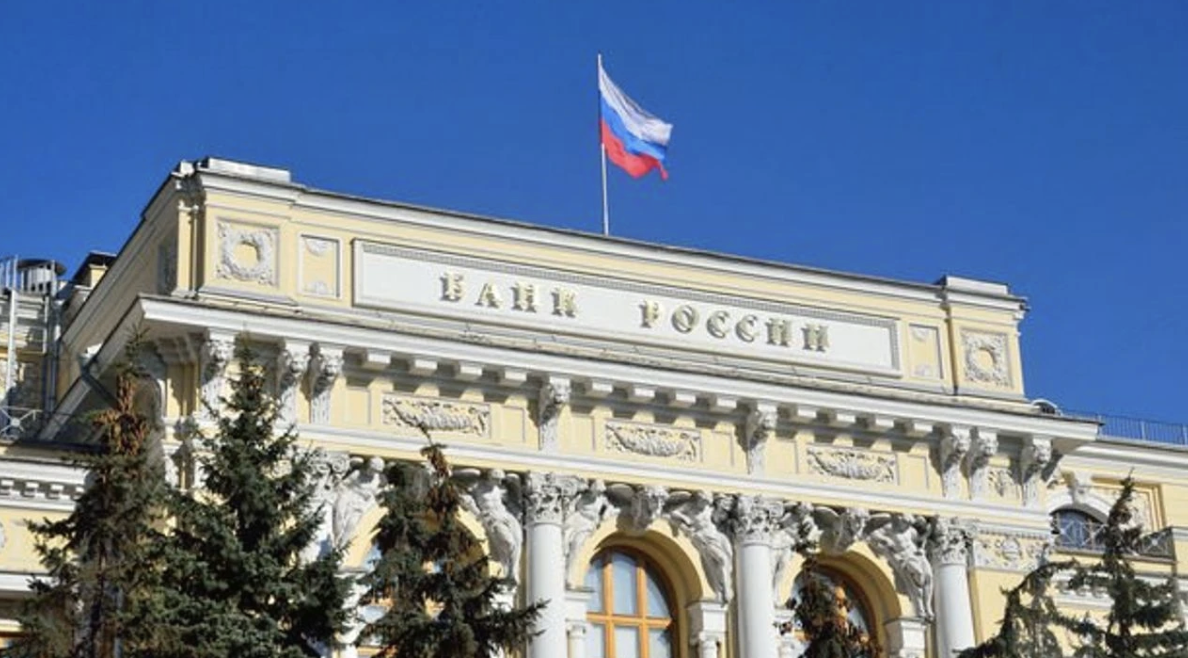
The Russian financial sector is on the verge of a historic shift. According to a senior official, the Bank of Russia (CBR) plans to permit investment funds to allocate assets to cryptocurrency derivatives starting in 2026. This development marks a notable softening in the country’s traditionally cautious stance toward digital assets.
Under current regulations, investment funds are completely barred from accessing crypto-linked financial instruments. However, the CBR intends to enact the necessary legal amendments in the first quarter of next year to lift this restriction. Olga Shishlyannikova, Director of the CBR’s Investment Finance and Intermediation Department, announced the plan at a finance forum in Yekaterinburg.
Shishlyannikova stressed that the existing framework impedes investment funds from leveraging innovative financial products. She stated, “Regulatory amendments are necessary. We plan to implement these changes in Q1 2025. The clause imposing the prohibition will be fully removed.”
The official also noted that a similar ban on brokers had been lifted in the past, but emphasized that the restrictions on investment funds can only be repealed through legal reform, not via administrative directives.
This announcement corroborates earlier statements by Valery Krasinsky, who first indicated that the CBR was considering steps in this direction. In September, Krasinsky remarked that the goal was to “level the playing field,” allowing investment funds to access crypto derivatives under the same conditions as brokers.
A Shift in Russia’s Cautious Crypto Stance
The Bank of Russia (CBR) has long been regarded as one of the most stringent financial authorities toward cryptocurrencies. However, recent developments indicate a marked shift in the country’s approach, as Russia increasingly leverages digital assets to circumvent Western sanctions and create alternative channels for international trade.
In May 2025, the CBR approved a framework allowing financial institutions to offer derivative products, digital securities, and financial instruments linked to the prices of major cryptocurrencies such as Bitcoin (BTC) and Ethereum (ETH). Following this decision, prominent institutions including Sberbank, the Moscow Exchange, and Finam swiftly launched Bitcoin futures and similar products.
Under the new plan, investment funds will also gain access to these markets. Certain limitations will remain: crypto derivatives will not entail the physical delivery of underlying assets and will be available exclusively to “highly qualified investors” meeting specific income and asset thresholds. Furthermore, existing products continue to operate under an “experimental legal regime.” The CBR aims to establish their full legal status through a comprehensive crypto investment law expected to take effect in 2026.
A Harbinger of a New Era?
This initiative is widely interpreted as the dawn of a new era in Russia’s cryptocurrency strategy. The country now views digital assets not as a threat but as potential economic instruments, aligning with its objective of maintaining financial sovereignty.
In October, CBR Deputy Chairman Vladimir Chistyukhin announced that new regulations would permit commercial banks to engage with cryptocurrencies. He emphasized that special risk management protocols would be implemented and strict security requirements would apply to all institutions.
These measures indicate that Russia is gradually integrating cryptocurrencies into its financial system. Experts anticipate that, with the new regulations expected in 2026, the country will advance rapidly toward establishing a “crypto-friendly financial framework.”
Ultimately, the CBR’s plan to allow investment funds to invest in crypto derivatives signals that Russia is not merely recognizing digital assets but is actively positioning them as strategic financial instruments.
Disclaimer
* Legal Notice 1: This content does not constitute investment advice. It is not intended to promote the buying/selling of digital assets and is for informational purposes only. Crypto assets carry high risks and may be subject to significant price fluctuations. Before making any investment decision, you should assess your own financial situation and make an independent decision.
* Legal Notice 2: The data and charts provided in the article are for general informational purposes only. Although all content is carefully prepared, no responsibility is accepted for possible errors or omissions. The Gate Academy team may translate this content into different languages. No translated article may be copied, reproduced, or distributed without permission.
Share
Content
Summary
Strong Start in Asian Markets on Hopes of U.S. Government Reopening
DTCC Lists Spot XRP ETFs
Record Streak for Solana ETFs: Ten Consecutive Days of Net Inflows
Tether Initiates Digital Transformation Collaboration with Da Nang City, Vietnam
Shock Allegation from China Against the U.S.
Record Inflows into U.S. Spot Bitcoin ETFs
Taiwan Considers Establishing a National Bitcoin Reserve
“Token Taxonomy” Set to Reshape Crypto Regulation
Bank of Russia Opens the Door to Crypto


Sign Up
Related Articles
Intermediate
Spot Crypto ETFs: Global Rise and Turkey’s Roadmap
What are spot crypto ETFs, how do they work, and why are they important? In this comprehensive Turkey-based analysis, we explore global ETF trends, the increasing interest of governments and institutional investors in crypto, regulatory frameworks, and future projections in depth.
2025-11-18 08:29:40


Beginner
The 10 Biggest Crypto Hacks in History
This article takes an in-depth look at the 10 most shocking crypto hack incidents in history. We will explore famous hacker groups, common attack methods,
2025-11-24 10:39:51