Weekly Summary:Institutionalization in the Global Crypto Ecosystem
Explore the latest developments in the cryptocurrency market, spotlighted projects, and potential investment opportunities, all consolidated in a single weekly bulletin. Gain insights through market analyses, significant announcements, and sector-wide summaries that capture the pulse of the crypto world.
Period: 05.01.2026 – 09.01.2026
Summary
As we approach the end of 2025 and the beginning of 2026, the cryptocurrency ecosystem is undergoing a significant transformation, both globally and specifically in Turkey. The fact that stablecoin transfer volumes on the Ethereum network have reached historical highs, and issuers have generated billions of dollars in revenue, demonstrates that blockchain is no longer just a technical infrastructure, but a financial network at the heart of global digital value transfer. The expansion of crypto strategies by major auditing and consulting firms, record levels of institutional Bitcoin investments, and strong political support from developed economies like Japan reveal an acceleration in the integration of digital assets with traditional finance. However, the failure of the Democrats to gain support for the crypto bill in the US Senate and the short-term outflows seen in Bitcoin ETFs indicate that uncertainties in regulation and market perception still persist. In Turkey, the strategic cooperation agreement signed between Ziraat Bank and TÜBİTAK shows that public institutions are beginning to take a more active role in digital assets, and that the goal of a domestic, secure infrastructure is coming to the forefront. When all these developments are considered together, it is clear that crypto assets are moving away from being a speculative area and towards an institutional, regulated, and sustainable financial structure.
Ethereum Network Stablecoin Transfer Volume Reaches All-Time High

The fourth quarter of 2025 marked a significant turning point in the global crypto ecosystem for the Ethereum blockchain. According to current data shared by on-chain data analytics platforms, the total volume of stablecoin transfers on the Ethereum network exceeded $8 trillion during this period, reaching an all-time high. This figure is remarkable not only compared to the previous quarter but also as the highest transfer volume in all periods recorded by Ethereum to date. Experts state that the rapid expansion of stablecoin use cases lies behind this record. Initially used for trading on crypto exchanges, stablecoins are now preferred in a much wider range of applications such as cross-border payments, institutional fund transfers, DeFi protocols, and digital treasury management. In particular, stablecoins pegged to the US dollar offer faster and more seamless transaction capabilities compared to the traditional banking system, making Ethereum a global digital settlement network. Blockchain analysis reports reveal that the stablecoin supply on Ethereum also increased significantly throughout 2025. The total stablecoin supply, which was around $127 billion at the beginning of the year, exceeded $180 billion by the end of the year. This growth allowed more value to circulate on the network, directly supporting the increase in transfer volume.
The rise in network activity was not limited to transfer volume alone. Daily transaction numbers and active address numbers also reached historical levels in the last quarter of 2025. This shows that Ethereum is being heavily used not only by individual users but also by institutional actors and financial institutions.
According to industry representatives, this development is considered a strong indicator that Ethereum is no longer just a smart contract platform, but has become one of the fundamental infrastructures for digital value transfer on a global scale.
PwC Enters a New Era in its Crypto Assets Strategy

PwC (PricewaterhouseCoopers), one of the world’s four largest auditing and consulting firms, is undergoing a significant strategic shift in its approach to the crypto asset sector. For many years, the company maintained a cautious and distant attitude towards digital assets, but recently it is preparing to move beyond this approach and take a more active role in the crypto space.
In statements given to the international press by PwC executives, increased clarity on the regulatory front is cited as one of the main reasons for this shift. New legal frameworks created for stablecoins, tokenization, and digital asset services, particularly in the US and Europe, have allowed major auditing firms to enter this field with greater confidence. PwC emphasizes that with the maturation of this regulatory environment, crypto assets are no longer considered a temporary trend, but a permanent class of financial instrument.
The company’s new strategy includes expanding the scope of audit, tax consulting, risk management, and compliance services for crypto assets. Furthermore, PwC aims to work more closely with banks and large institutional clients on areas such as stablecoin projects, digital payment infrastructures, and asset tokenization.
PwC officials state that firms’ interest in crypto is not limited to investment; it has created a significant need for consulting services in areas such as accounting, reporting, and regulatory compliance. This also represents a new area of growth for global auditing giants like PwC. According to experts, PwC’s move reflects not only the company’s own strategy but also the traditional financial world’s perspective on crypto assets. The stronger involvement of large auditing and consulting firms in the sector is seen as a significant development that increases the institutional acceptance of the crypto ecosystem.
Strategy Inc. Increases Bitcoin Holdings to Over 673,000 BTC

Strategy Inc. (MSTR), a leading company in institutional Bitcoin investments, announced that it purchased 1,286 Bitcoins between the end of December 2025 and the beginning of January 2026. According to the company’s official statement, this latest purchase brings Strategy’s total Bitcoin holdings to 673,783 BTC as of January 4, 2026. Based on current market prices, the total value of the Bitcoins held by the company has risen to approximately $50.55 billion. This figure positions Strategy Inc. as one of the largest institutional Bitcoin investors not only in the crypto ecosystem but also globally.
Strategy’s Bitcoin strategy is considered a continuation of its approach to positioning digital assets as a long-term store of value in its balance sheet management. In previous statements, company management emphasized that they view Bitcoin as an asset that provides protection against inflation and has the potential to retain its value in the long term due to its limited supply.
Market analysts note that such regular and stable purchases strengthen institutional adoption of Bitcoin and demonstrate the continued confidence of large companies in digital assets despite price volatility. Strategy’s continued purchases, regardless of market conditions, indicate that the company is adopting Bitcoin not as a short-term investment, but as a strategic reserve asset. This development is considered a strong signal that institutional companies are moving Bitcoin to a more central position on their balance sheets as we enter 2026.
Strong Support for Digital Assets from Japan

Japanese Finance Minister Satsuki Katayama recently stated that she strongly supports the integration of digital assets and blockchain-based financial instruments into the traditional financial system. Katayama emphasized that crypto assets should be considered not only as an alternative investment area but also as a complementary element of financial infrastructure.
According to Minister Katayama, digital assets have the potential to increase efficiency and transparency in many areas, from payment systems and capital markets to cross-border transfers and financial inclusion. It is stated that Japan’s support for innovative approaches in this field will both increase the competitiveness of the local financial sector and ensure stronger integration with the global digital economy. In recent years, Japan has stood out as one of the countries with the clearest regulatory framework for crypto assets. The legal infrastructure created for stablecoins, crypto exchanges, and digital asset custody services reflects the country’s controlled yet innovative approach in this area. Katayama’s statements reveal that Japan aims to include digital assets in the financial system through regulation, rather than excluding them from it, by continuing this approach.
Experts note that this message from the Japanese Ministry of Finance is particularly important for institutional investors and fintech companies. It is stated that such state-level support increases confidence in digital asset projects and paves the way for long-term investments. Japan’s approach is considered a balancing and guiding model in discussions about the future of digital assets on a global scale. The steps taken by developed economies to integrate crypto assets into the system through regulation, rather than completely excluding them, play a critical role in the transformation of global finance.
Bitcoin ETFs Record Net Outflow of $243 Million

Spot Bitcoin ETFs recorded a net outflow of $243 million on Tuesday, marking the first day of negative total flow in 2026. This development is considered a closely watched turning point in the markets following the strong demand for ETFs since the beginning of the year.
Market data shows that this outflow was not limited to a single fund, but occurred simultaneously in multiple large Bitcoin ETFs. According to experts, this indicates that profit-taking and risk reduction tendencies are more prominent in investor behavior than short-term price movements. It is particularly noted that some institutional investors chose to reduce their positions after Bitcoin’s strong performance in the early days of the year.
Analysts believe that this outflow from ETFs should not yet be interpreted as a structural trend change. Looking at the year as a whole, Bitcoin ETFs still have a net positive outflow, and institutional demand remains strong. However, this first negative day once again revealed that the ETF market is not experiencing one-way growth and is sensitive to macroeconomic developments, interest rate expectations, and fluctuations in risk appetite. Market experts emphasize that whether ETF flows rebalance in the coming days will be a significant indicator for both the Bitcoin price and the overall crypto market sentiment.
Stablecoin Issuers Generated Approximately $5 Billion in Revenue from Ethereum in 2025

According to data shared by the on-chain data analytics platform Token Terminal, stablecoin issuers generated approximately $5 billion in revenue from distribution activities on the Ethereum network throughout 2025. This figure shows that the stablecoin ecosystem has reached a significant level of maturity, not only in terms of transaction volume but also in terms of creating a sustainable revenue model. This revenue largely consisted of on-chain income related to transaction fees, issuance, and redemption processes resulting from the intensive use of stablecoins on Ethereum. The rapid increase in stablecoin usage on the Ethereum network throughout 2025 directly boosted the total revenue earned by issuers.
Experts interpret this as an indication that stablecoins are no longer merely tools for protection against market fluctuations. Today, stablecoins have become a critical infrastructure element in areas such as decentralized finance applications, corporate fund transfers, cross-border payments, and digital treasury management. Ethereum stands out as the main network where a large portion of these transactions take place.
Token Terminal data reveals that as the scale of the stablecoin economy grows, the revenue earned by issuers becomes more predictable and regular. This makes stablecoins a financial structure that should be taken more seriously by both investors and regulatory authorities. According to analysts, this revenue level recorded in 2025 could pave the way for increased competition among stablecoin issuers in 2026 and beyond, the emergence of new business models, and further strengthening Ethereum’s importance as a financial infrastructure.
Ziraat Bank and TÜBİTAK Sign Strategic Cooperation Agreement in Crypto Asset Custody and Advanced Technologies

Ziraat Bank, one of Turkey’s oldest public banks, and TÜBİTAK, one of the country’s most competent institutions in the field of science and technology, have signed a comprehensive cooperation protocol in the field of crypto asset custody services and advanced technologies. This protocol is considered one of the most important institutional steps taken towards the secure storage and management of digital assets in Turkey.
Under the signed agreement, the development of crypto asset custody infrastructures, cybersecurity solutions, blockchain-based systems, and advanced cryptography technologies are among the priority areas of work. Ziraat Bank will bring its strong financial infrastructure and banking experience to the project, while TÜBİTAK will provide technical support to the process with its academic knowledge, R&D capacity, and advanced technology expertise.
Officials emphasize that the main purpose of this cooperation is to produce domestic and national solutions that will ensure the storage of crypto assets with high security standards, in a transparent and auditable manner. Key management, data security, and authorization mechanisms, which are critically important, especially in digital asset custody services, will be supported by advanced technologies developed with the contribution of TÜBİTAK. The protocol aims not only to be limited to crypto asset custody services but also to create a foundation for blockchain-based financial applications, digital identity solutions, and innovative technological projects for the public sector in the long term.This agreement stands out as a strategic step bridging the gap between the traditional banking system and the digital finance world.
Experts view Ziraat Bank’s move as an indication that public banks are beginning to take a more active role in the digital transformation process. Furthermore, TÜBİTAK’s involvement in the project is seen as a crucial element ensuring that the technologies to be developed are implemented using domestic resources, with high security and regulatory compliance. This collaboration is interpreted as a significant step towards Turkey’s goal of creating its own technological infrastructure in the field of crypto assets and digital finance. The joint action of public institutions and financial organizations both increases confidence in the sector and supports Turkey’s vision of becoming a regional digital finance center. While the solutions to be developed are expected to pave the way for new services for institutional investors and individual users in the future, this protocol aims to contribute to a more regulated, secure, and sustainable structure for the crypto asset ecosystem in Turkey.
Crypto Bill Fails to Gain Democratic Support in US Senate
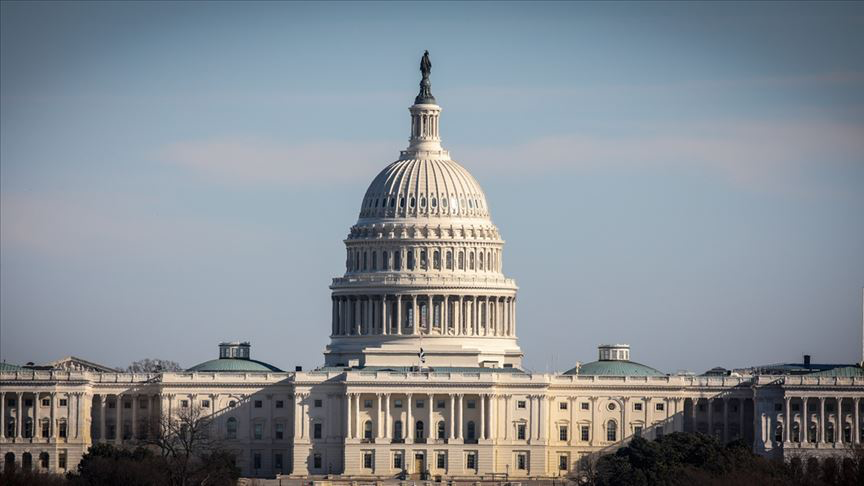
A comprehensive bill aimed at regulating the cryptocurrency sector in the US has encountered a significant obstacle in the Senate. Despite receiving support from Republican senators, the bill failed to gain sufficient support from the Democratic side, preventing progress. This development once again highlights the ongoing political division regarding cryptocurrency regulation in the US.
The bill aimed to create a clearer framework on fundamental issues such as the definition and oversight of crypto assets and which institutions would have authority. Specifically, it focused on stablecoin regulations, the oversight of cryptocurrency exchanges, and investor protection, aiming to provide the “regulatory clarity” long demanded in the markets. However, Democratic senators argued that the bill, in its current form, is not strong enough in terms of investor protection and financial stability. Statements from the Democratic side cited past bankruptcies and fraud cases in the crypto market, arguing that the regulation does not adequately protect consumers and small investors. Furthermore, some Democratic senators shared concerns that the bill could favor large crypto companies and not adequately limit market risks. Republican senators, on the other hand, linked the rejection of the bill to the risk of the US falling behind in the global crypto race. According to them, the lack of a clear and enforceable legal framework is driving crypto companies to countries with more flexible regulations outside the US. The Republican side argues that the bill encourages innovation while also including basic oversight mechanisms.
This political impasse also reveals why regulations regarding crypto assets have long been stalled in the US. Democrats prioritize stricter oversight and strong consumer protection, while Republicans prioritize innovation and competitiveness. This difference in approach makes it difficult for a comprehensive crypto bill to pass the Senate. According to experts, the lack of Democratic support significantly reduces the likelihood of the bill becoming law in the short term. However, the size of the crypto market and the increasing institutional interest in the sector also make it difficult for the US Congress to completely dismiss the issue. The draft is expected to be revised again in the coming period and resubmitted to the Senate with additional regulations to meet the Democrats’ demands. This development indicates that uncertainty regarding the future of crypto assets in the US will continue for some time, and is being closely followed in global markets. The steps the US takes have the potential to directly affect not only the crypto ecosystem within the country but also global regulatory trends.
Share
Content
Summary
Ethereum Network Stablecoin Transfer Volume Reaches All-Time High
PwC Enters a New Era in its Crypto Assets Strategy
Strategy Inc. Increases Bitcoin Holdings to Over 673,000 BTC
Strong Support for Digital Assets from Japan
Bitcoin ETFs Record Net Outflow of $243 Million
Stablecoin Issuers Generated Approximately $5 Billion in Revenue from Ethereum in 2025
Ziraat Bank and TÜBİTAK Sign Strategic Cooperation Agreement in Crypto Asset Custody and Advanced Technologies
Crypto Bill Fails to Gain Democratic Support in US Senate


Related Articles
Spot Crypto ETFs: Global Rise and Turkey’s Roadmap