

Top News of the Week:Technological Breakthroughs and Regulatory Debates in the US
Explore the latest developments in the cryptocurrency market, spotlighted projects, and potential investment opportunities, all consolidated in a single weekly bulletin. Gain insights through market analyses, significant announcements, and sector-wide summaries that capture the pulse of the crypto world.
Period: 09.03.2026 – 13.03.2026
Summary
The crypto sector is attracting attention with both technological advancements and regulatory debates. Starcloud, a US-based space startup, is planning to take one of the first commercial steps towards cryptocurrency production in space by aiming to mine Bitcoin in orbit. Around the same time, a report published by the United States Department of the Treasury revealed that crypto mixers can be used not only for criminal activities but also for financial secrecy purposes. On the institutional investment side, Strategy continued to expand its reserves by purchasing approximately 18,000 BTC. Meanwhile, it is reported that banking institutions in the US are considering legal action against the Office of the Comptroller of the Currency (OCC) due to licenses granted to cryptocurrency companies, and that a regulation banning a digital dollar that could be issued by the Federal Reserve is being discussed in Congress. These developments demonstrate that the crypto ecosystem is undergoing a simultaneous transformation in the areas of technology, institutional investment, and regulation.
The Era of Bitcoin Mining in Space Begins: Starcloud Announces Orbital Mining Plan

US-based space technology startup Starcloud has announced its goal of mining Bitcoin in space with its second spacecraft, scheduled for launch this year. If the company’s plan comes to fruition, it could become the first commercial venture to mine cryptocurrency in Earth orbit.
In a statement, CEO Philip Johnston said that specially designed Bitcoin mining devices will be sent into space as part of the second satellite mission. These devices will consist of ASIC (Application-Specific Integrated Circuit) hardware designed solely for cryptocurrency mining. According to Johnston, these devices are much more advantageous in terms of energy efficiency compared to GPUs, and their use in space could also be economically viable.
Starcloud’s long-term vision is not limited to Bitcoin mining. The company is developing an “orbital data center” network aiming to build massive solar-powered data centers in space. The main advantage of this infrastructure is said to be the ability to utilize uninterrupted solar energy in space and the lower cooling costs compared to Earth. This could create a new infrastructure for high-energy-consuming processes, especially activities like artificial intelligence calculations and cryptocurrency mining.
In a previous test, the company reportedly ran a system containing an Nvidia H100 GPU in orbit, demonstrating that a high-performance computing infrastructure in space is technically possible. This experience is considered a significant step towards the commercialization of space-based computing projects.
However, experts point out that while the idea of mining in space is technically feasible, it presents cost and operational challenges. Factors such as satellite launch costs, radiation protection, and long-term maintenance are critical elements for the economic sustainability of the project. Nevertheless, Starcloud’s initiative has reignited discussions about whether the future of cryptocurrency mining could shift to extraterrestrial energy sources.
US Treasury Report: Crypto Mixers Used Not Just for Crime, But Also for Privacy

While crypto asset regulations are being debated in the US, the United States Department of the Treasury, in a new report submitted to Congress, stated that crypto mixers are not only used in illicit activities but can also be preferred for financial privacy purposes. The 32-page report contains a comprehensive analysis examining the relationship between digital assets and illicit financing.
Crypto mixers are known as tools used to anonymize transactions on the blockchain. These services complicate the transaction chain by pooling and redistributing funds from different users, making it difficult to trace the link between sender and receiver.
The Treasury Department report acknowledges that there are instances where these tools are associated with criminal activity, but also emphasizes that legitimate users can utilize these services to protect their financial privacy. The report states that individuals may resort to mixer services because they do not want to make their personal wealth information, business payment details, or charitable donations visible in public blockchain records.
However, the report clearly reveals that crypto mixers can also be used by criminal organizations for money laundering purposes. In particular, it notes that some cybercrime groups and state-sponsored hacker networks use these tools to obscure the trail of stolen crypto assets. According to Treasury data, mixer services have played a significant role in billions of dollars worth of digital asset breaches in recent years.
The report also emphasizes the need for regulators to create a balanced framework that both protects financial privacy and combats illicit activities. In this context, it recommends that Congress consider a new “hold law” mechanism that could allow for the temporary freezing of suspicious digital assets.
This report points to a search for a more balanced policy in the US approach to crypto privacy tools, suggesting that regulatory debates may intensify in the coming period.
Strategy Accelerates Bitcoin Accumulation: Company Buys 17,994 More BTC in One Week

Strategy, one of the most prominent companies among institutional Bitcoin investors, has significantly increased its Bitcoin reserves with a recent purchase. According to the company’s statement, 17,994 Bitcoins were purchased in the latest transaction period. This move shows that the company’s long-standing aggressive Bitcoin accumulation strategy continues.
The company’s chairman, Michael Saylor, has repeatedly emphasized that they see Bitcoin as a long-term store of value for corporate balance sheets. Since 2020, Strategy has been taking a different approach from the traditional corporate treasury management understanding by directing a significant portion of its cash reserves to Bitcoin. This approach has also brought about discussions on how crypto assets can be positioned on company balance sheets.
With the latest purchase, Strategy’s total Bitcoin assets have grown even further, strengthening the company’s position as one of the publicly traded companies holding the most Bitcoin globally. Experts note that Strategy’s regular purchases have created psychological support in the market and could influence institutional investors’ approach to the crypto market.
According to market analysts, such large-scale purchases reflect not only the company’s portfolio strategy but also institutional capital’s long-term perspective on crypto assets. Strategy’s continued accumulation of Bitcoin is interpreted as a significant signal that digital assets continue to be considered as an alternative reserve instrument, especially during periods of increased macroeconomic uncertainty.
US Banking Sector Preparing Legal Action Against OCC’s Crypto Licensing Policy

As regulatory debates between the traditional finance sector and the crypto ecosystem intensify in the US, it has been reported that leading banking institutions in the country are considering taking legal action against the licensing policy implemented by the Office of the Comptroller of the Currency (OCC).
Some major trade groups representing the banking sector argue that the OCC’s approach of granting “national trust charters” to cryptocurrency and fintech companies could disrupt the balance of competition in the financial sector. This status allows certain financial technology or digital asset companies to offer some services similar to traditional banks and paves the way for them to operate at the federal level.
According to banking institutions, such privileges can create significant advantages for crypto companies by providing them with direct access to the banking system. While traditional banks are subject to strict capital requirements, risk management standards, and comprehensive supervisory processes, it is argued that allowing crypto or fintech firms to conduct similar activities without being fully subject to the same obligations could undermine level playing field competition.
Therefore, it is stated that some banking groups are considering the option of filing a lawsuit against the OCC. A potential legal process could initiate a new regulatory debate in the US regarding the integration of crypto companies into the banking system and the scope of licenses that can be granted to digital finance companies. According to experts, such a lawsuit could set a significant precedent that could reshape the role of the crypto sector in the financial system and the boundaries of fintech companies’ activities in the banking sector.
Digital Dollar Debate in the US Congress: Bill to Ban CBDC on the Agenda
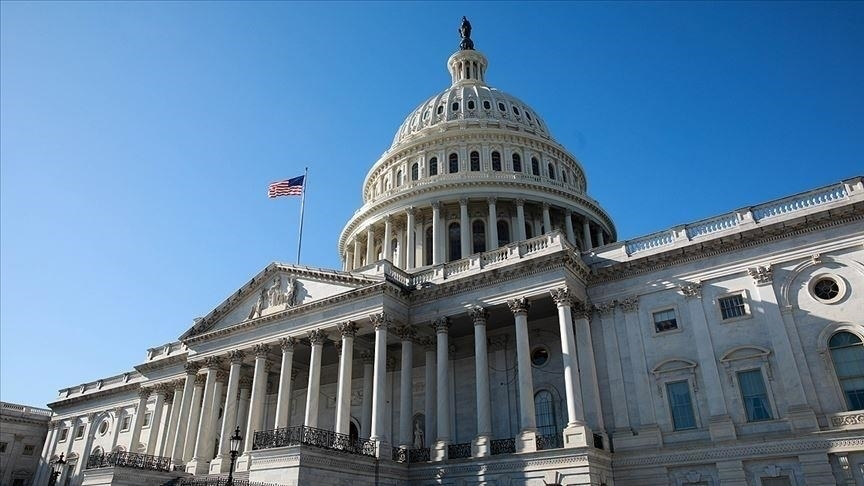
As debates on central bank digital currency (CBDC) reignite in the US, a new bill proposing a permanent ban on the digital dollar has been introduced in Congress. The bill aims to prevent the implementation of a digital dollar directly issued by the Federal Reserve.
The regulation aims to prevent the central bank from directly issuing digital currency for individuals or offering accounts directly to citizens. Some politicians supporting the bill argue that a digital currency issued by the state could create risks to financial privacy and lead to closer monitoring of citizens’ financial transactions.
According to anti-CBDC views, the implementation of a digital dollar could expand the state’s role in the financial system and create new debates regarding individual freedoms. Therefore, the bill aims to permanently limit the central bank’s authority to develop or implement such a currency.
On the other hand, some economic experts and financial circles argue that the US should not completely rule out digital currency technologies in order to maintain its leadership in the global financial system. Given that many countries, particularly China, are considering central bank digital currency projects, it is argued that the US lagging behind in this area could pose a risk to financial innovation. The outcome of the congressional debates is not yet clear. However, such regulatory initiatives demonstrate that the global debate surrounding the future of digital currencies and the role of governments in financial technologies is becoming increasingly significant in the US as well.
Disclaimer
* Legal Notice 1: This content does not constitute investment advice. It is not intended to promote the buying/selling of digital assets and is for informational purposes only. Crypto assets carry high risks and may be subject to significant price fluctuations. Before making any investment decision, you should assess your own financial situation and make an independent decision.
* Legal Notice 2: The data and charts provided in the article are for general informational purposes only. Although all content is carefully prepared, no responsibility is accepted for possible errors or omissions. The Gate Academy team may translate this content into different languages. No translated article may be copied, reproduced, or distributed without permission.
Share
Content
Summary
The Era of Bitcoin Mining in Space Begins: Starcloud Announces Orbital Mining Plan
US Treasury Report: Crypto Mixers Used Not Just for Crime, But Also for Privacy
Strategy Accelerates Bitcoin Accumulation: Company Buys 17,994 More BTC in One Week
US Banking Sector Preparing Legal Action Against OCC’s Crypto Licensing Policy
Digital Dollar Debate in the US Congress: Bill to Ban CBDC on the Agenda


Sign Up
Related Articles
Intermediate
Spot Crypto ETFs: Global Rise and Turkey’s Roadmap
What are spot crypto ETFs, how do they work, and why are they important? In this comprehensive Turkey-based analysis, we explore global ETF trends, the increasing interest of governments and institutional investors in crypto, regulatory frameworks, and future projections in depth.
2025-11-18 08:29:40


Beginner
The 10 Biggest Crypto Hacks in History
This article takes an in-depth look at the 10 most shocking crypto hack incidents in history. We will explore famous hacker groups, common attack methods,
2025-11-24 10:39:51