Base Ağı Nedir? L2 Yarışında "Dark Horse" Olabilir mi?
Base Ağının Doğuşu
2023 yılında büyük kurumlar tarafından en çok konuşulan yarış, şüphesiz Katman 2 (L2) yarışıdır. Coinbase ve ConsenSys gibi kripto sektörünün devlerinin bu rekabete aktif olarak katılmasıyla, 2023 L2 projeleri açısından adeta patlama yılı oldu. Coinbase, bu yıl 23 Şubat’ta “Base” adında bir L2 test ağını başlattı. Projenin adı, şirketin borsa kodu olan “COIN” ile güzel bir uyum içindeydi.
Base’i kamuoyunun dikkatine çeken olay ise, bu ağda piyasaya sürülen son MEME token olan BALD idi. BALD, yalnızca bir gün içinde 600 kat değerlendi ve bu haber tüm sektöre hızla yayıldı. Bu gelişme, birçok spekülatörün dikkatini çekti. Her ne kadar BALD token havuzu proje ekibi tarafından iki gün içinde kaldırılmış ve bu da birçok spekülatör için önemli kayıplara neden olmuş olsa da, olay Base’in adını duyurmayı başardı. Ardından herkes Base blockchain’ini ve ekosistemini daha yakından incelemeye başladı.
Coinbase, kuruluşunun en başında kripto dünyasındaki büyümesini dört aşamalı bir planla şekillendirmeyi hedeflemişti. Geçtiğimiz on yıl içinde, bu planın ilk üç aşaması hayata geçirildi:
- Protokollerin oluşturulması: Kripto teknolojisinin 1 milyon kişiye ulaştırılması
- Borsa kurulması: Coinbase Exchange’in 10 milyon kullanıcıya ulaşması
- Kitlesel DApp’ler oluşturma: Merkeziyetsiz uygulamaların 100 milyon kişi tarafından kullanılabilir hale getirilmesi
Şimdi ise Coinbase, dördüncü ve son aşamanın kapısını aralıyor:
Açık bir finansal sistem inşa etmek ve DApp’ler aracılığıyla 1 milyardan fazla kullanıcıyı küresel kripto ekonomisine entegre etmek.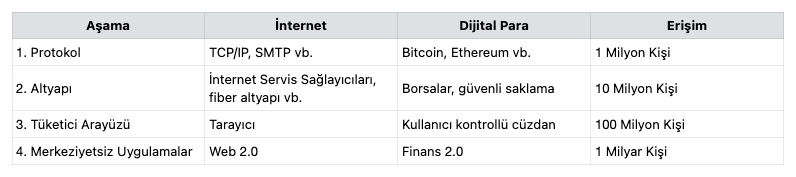
Bu vizyonu gerçekleştirebilmek için atılacak en mantıklı adım, temel altyapının bizzat inşa edilmesidir. Bu noktada, bir L2 ağı oluşturmak için EVM (Ethereum Virtual Machine) ekosistemine güvenmek, şu anda en iyi çözüm olarak görülüyor. İşte tam da bu nedenle Coinbase, Base blockchain’ini geliştirmeyi seçti.
Base Blockchaine Giriş
Base, Coinbase tarafından kuluçkalanan ve açık kaynaklı OP Stack by Optimism (OP) projesi temel alınarak geliştirilen, Ethereum Katman 2 (L2) halka açık bir blokzinciridir. Coinbase, Base’i son derece güvenli, düşük maliyetli ve geliştirici dostu bir zincir üstü ekosistem haline getirmeyi ve aynı zamanda bu ekosistem üzerinden Coinbase’in çeşitli zincir üstü ürünlerini piyasaya sürmeyi hedeflemektedir.
Birçok kişi Coinbase’in ABD borsasında işlem gören ve tamamen denetime tabi bir şirket olduğunu bilir. Bu nedenle Coinbase, ABD Menkul Kıymetler ve Borsa Komisyonu (SEC) düzenlemeleri dahil olmak üzere çeşitli yasal politikalara tam uyum sağlamak zorundadır. Bu durum, Base’in kendi tokenini yayınlamasını zorlaştırmaktadır. Bu nedenle Coinbase, karşılıklı fayda sağlamak amacıyla olgun bir L2 ağı olan OP ile iş birliği yapmayı tercih etti. Bu strateji sayesinde Coinbase, OP ekosistemini güçlendirirken aynı zamanda Base blockchain’in gelişimini dolaylı olarak hızlandırabilir.
OP Yığın Hakkında
Base, OP Stack teknolojisi temelinde geliştirilmiştir. OP Stack kullanan projeler, Optimism’in geliştirdiği altyapının avantajlarından yararlanır. Aynı teknolojik yığını benimseyen projeler arasında sorunsuz bir bağlantı kurularak süper zincir (superchain) ekosisteminin bir parçası haline gelmeleri sağlanır.
Optimistic Rollup (OR), Optimism tarafından benimsenen bir Katman 2 ölçeklendirme teknolojisidir. Kapsamlı hesaplama ve depolama gerektirmez ve farklı işlem türlerini destekleyebilir. OR’un temel prensibi şudur: Tüm işlem kayıtları tek bir blokta paketlenir ve daha sonra “sahtekarlık kanıtları” kullanılarak doğrulanır.
İyimser toplama sistemi, işlemlerin varsayılan olarak geçerli kabul edilmesine dayanır; yani işlemin geçersiz olduğunu ispat etme yükümlülüğü şüpheci tarafa aittir. Bu yüzden “iyimser” terimi kullanılır. Bu sistemin kötüye kullanılmaması için ağda çok sayıda zincir içi doğrulama düğümünün yer alması gerekir. Doğrulama başarılı olursa blok zincire eklenir, aksi takdirde geri alınır.
OP Stack, Optimism tarafından sunulan ve yeni nesil mimarileri desteklemeyi amaçlayan bir modüler blockchain yazılım yığınıdır. Her bir OP Stack bileşeni, belirli bir işlevi yerine getiren entegre ve güvenilir modüllerden oluşur. Bu yapı, geliştiricilere mevcut modülleri kolayca değiştirerek veya kendi ihtiyaçlarına göre yeni modüller oluşturarak uygulama geliştirme esnekliği sunar.
OP Stack’ın Özellikleri
OP Stack, üç temel tasarım ilkesine bağlıdır: verimlilik, basitlik ve ölçeklenebilirlik. Blockchain tarayıcıları, mesajlaşma sistemleri, yönetişim araçları ve benzeri üst katman bileşenleri dahil olmak üzere tüm L1 üstü alanlarda genişletilebilirlik sağlar.
Geliştiriciler, herhangi bir L2’yi kolayca başlatabilir ve merkeziyetsiz uygulamaları (DApp) hızla yayınlayabilir. Bu özellik, L2’lerin izole “ada” yapılarında gelişmesini engelleyerek birlikte çalışabilirliği destekler.
Resmi Optimism vizyonu, bu yapıların bir süper zincir haline gelmesini öngörür. Böylece, farklı L2’ler yatay olarak ölçeklenebilen bir blockchain ağı içinde entegre çalışır. Güvenlik, iletişim katmanı ve geliştirme kitleri tüm ağlar arasında paylaşılır.
Sonuç olarak, bu yapı Coinbase’in dördüncü aşama misyonunu destekler: bir milyardan fazla kullanıcının kripto ekonomisine katılımını sağlamak ve binlerce DApp’in etkin şekilde çalışabileceği bir ortam oluşturmak.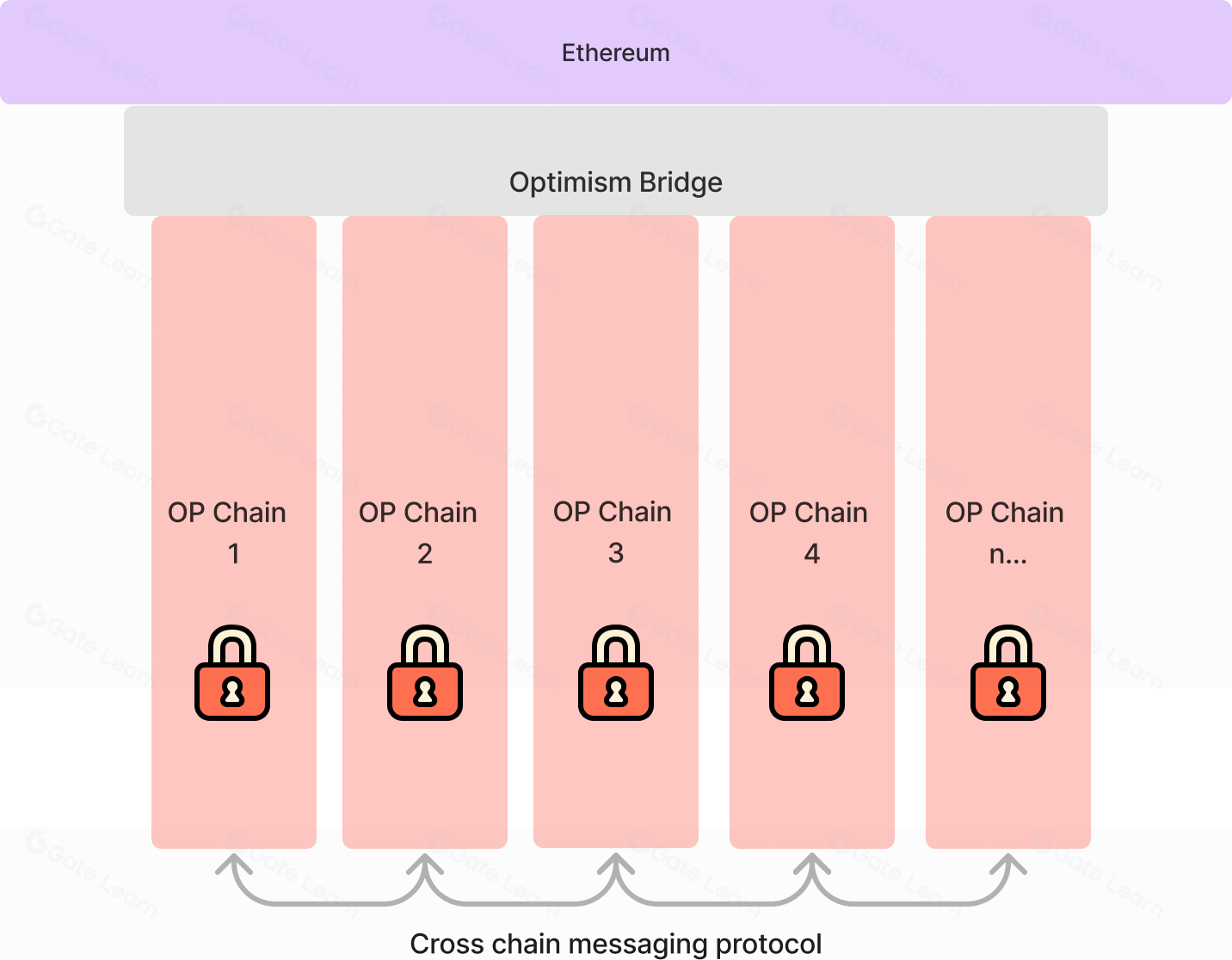
Superchain mimarisi basittir ve gelecekteki gelişimi iki temel ilke etrafında şekillenecektir: modülerlik ve gaz ücretlerinin optimize edilmesi. Bu konsept, geliştiricilere daha fazla olanak tanımayı, DApp’lerin başlatılmasını kolaylaştırmayı ve halka açık zincirlerin hem ölçeklenebilirliğinden hem de merkeziyetsiz yapısından faydalanmayı amaçlar.
Superchain, işlevsel olarak iOS ekosistemindeki Apple Store modeline benzetilebilir. Ancak farkı şuradadır: Web3 ortamında geliştiriciler, DApp’lerini bu modüler yapıya entegre ettiklerinde yalnızca kullanım kolaylığı değil, aynı zamanda işlem hacmine göre Superchain işlem ücretlerinden kullanıcı hacmi ödülleri de elde edebilirler. Bu, Web3’ün Web2’ye kıyasla ekonomik model açısından sunduğu en önemli avantajlardan biridir. Coinbase ve Optimism (OP), bu Superchain modelini ortaklaşa geliştirmiştir. Kısa vadede, bu iş birliği; OP ana ağı, Base ve diğer L2’leri, paylaşılan köprüleme ve sıralama altyapısına sahip birleşik bir Superchain yapısına dönüştürmeyi hedeflemektedir.
Gelecekte bu yapıya daha fazla L2’nin dahil edilmesi kaçınılmazdır. Uzun vadede Superchain, birlikte çalışabilirliği en üst düzeye çıkaran, merkezi olmayan protokolleri paylaşan ve çekirdek mimarisi standartlaştırılmış geniş kapsamlı bir blockchain ağına dönüşebilir.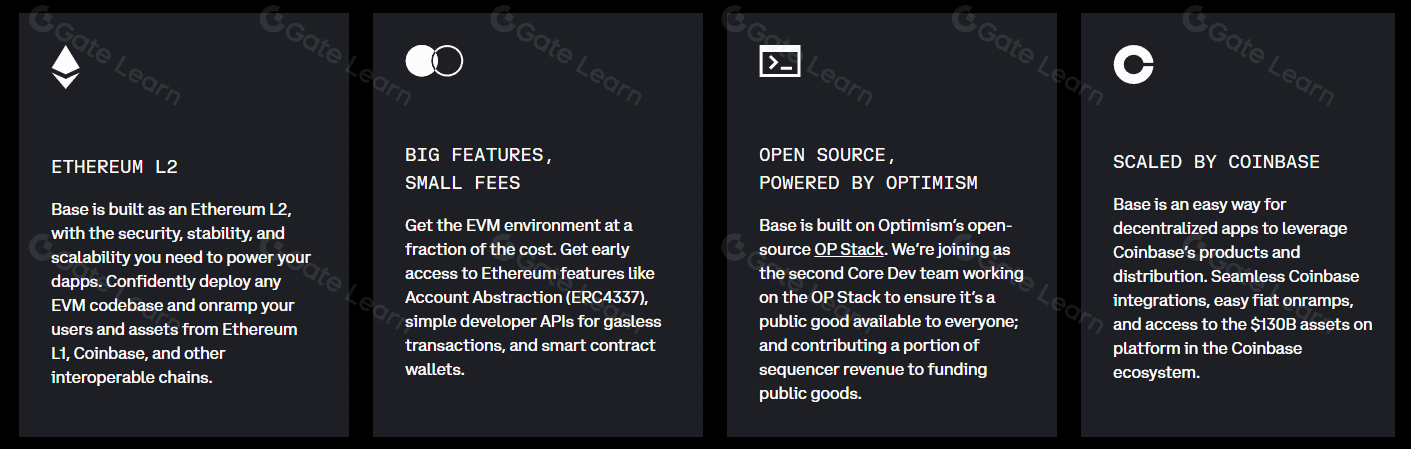
Base Ağının Avantajları
Yukarıdaki yapıda tanıtıldığı gibi, Base’in öne çıkan dört temel avantajı şu şekilde özetlenebilir:
- Base, merkeziyetsiz uygulamaları desteklemek için gerekli olan güvenlik ve ölçeklenebilirliği sunar. Ethereum’un temel güvenliğinden ve Coinbase’in sektördeki deneyiminden faydalanarak, Coinbase borsasından, Ethereum Katman 1 ağından ve diğer birlikte çalışabilir zincirlerden Base ağına geçişe olanak tanır.
- Base, tam EVM uyumluluğunu son derece düşük maliyetle sunar. Geliştirici dostu yapısıyla dApp geliştirmeyi teşvik eder. Soyutlama düzeyinde, geliştiriciler gaz ücretlerini ayarlamak için basit API’ler kullanabilir. Ayrıca zincirler arası köprülerle çok zincirli uygulamalar güvenli şekilde geliştirilebilir.
- Base, merkeziyetsiz ve izinsiz bir yapı hedefler. Optimism ile birlikte bir “süper zincir” kurmak isteyen herkese açık bir projedir.
- Coinbase’in yüz milyarlarca dolarlık varlık yönettiği geniş ve doğrulanmış kullanıcı tabanı vardır. Base, gelecekte Coinbase’in farklı ürünleriyle sorunsuz şekilde entegre edilebilir. Bu sayede CeFi (merkezi finans) ile DeFi (merkeziyetsiz finans) arasında doğal bir köprü işlevi görerek, geniş kullanıcı kitlesini DeFi dünyasına taşıyabilir.
Base Blockchain’in Gelişim Süreci
- 23 Şubat 2022: Coinbase, Ethereum Katman 2 ağı olan Base’in lansmanını ve Base Ekosistem Fonu’nun kurulduğunu duyurdu.
- 27 Şubat 2023: Base, Coinbase’in kişisel saklama ve dApp cüzdanı ile entegrasyonunu başlattı.
- 26 Mart 2023: Ekosistem fonu, dört ana destek alanı açıkladı: stabilcoin projeleri, itibar platformları, limit emir defterleri (LOB) ve daha güvenli DeFi ürünleri.
- 1 Nisan 2023: Base, Katman 2 ağını önümüzdeki aylarda ana ağa geçireceğini duyurdu.
- 24 Mayıs 2023: Resmi web sitesinde, Base ana ağı lansmanı öncesinde tamamlanması gereken beş ön koşul açıklandı:
- Test ağında Regolith sert çatallanması tamamlandı (tamamlandı)
- OP Labs ekibiyle altyapı incelemesi tamamlandı (tamamlandı)
- Optimism’in Bedrock yükseltmesini tamamlaması
- İç ve dış denetimlerin sorunsuz tamamlanması
- Test ağının kararlılığının kanıtlanması
- 13 Temmuz 2023: Ana ağın tam geliştirme aşamasının Ağustos başında başlayacağı duyuruldu.
Base Blockchain Ekibi ve Coinbase Arka Planı
Base, Haziran 2012’de eski Airbnb mühendisi Brian Armstrong tarafından kurulan ve bugün dünyanın en büyük kripto para borsalarından biri olan Coinbase tarafından geliştirildi.
Coinbase, şu anda 100’den fazla ülke ve bölgede faaliyet gösteriyor. Yaklaşık 245.000 ekosistem ortağı, kripto para birimlerine hızlı, güvenli ve kullanıcı dostu bir şekilde yatırım yapmak, harcamak, saklamak, kazanmak ve kullanmak için Coinbase’e güveniyor.
- Platform üzerindeki toplam varlıklar: 128 milyar dolar
- 2023 çeyreklik işlem hacmi: 92 milyar dolar
- Çalışan sayısı: 3.400+ kişi
- 30 Ekim 2018: 8 milyar dolar değerlemeyle 300 milyon dolarlık E Serisi yatırım turu tamamlandı
- 14 Nisan 2021: Coinbase, NASDAQ’da “COIN” sembolüyle halka arz edildi
Base Ekosistemine Giriş
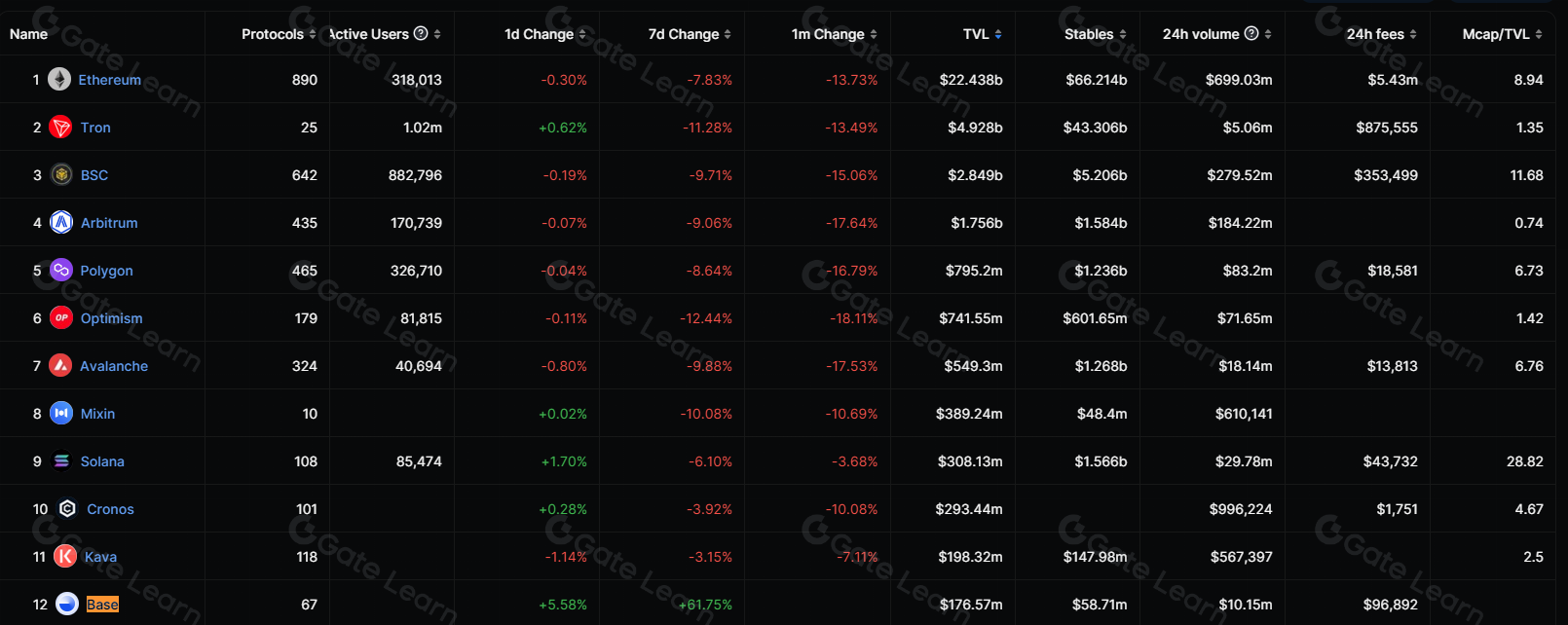
Kaynak: DeFiLlama
Yukarıda belirtildiği gibi, Base’in halka açık zincirler arasındaki konumu hızla yükseliyor. 20 Ağustos itibarıyla, Base blockchain’in Kilitli Toplam Değeri (TVL) 176 milyon dolara ulaştı ve bu değerle 12. sıraya yerleşti. Her ne kadar bu rakam hâlâ ana akım Katman 2 (L2) projelerinin gerisinde olsa da —örneğin Arbitrum One, tek başına toplam pazar payının %50’sinden fazlasını oluşturuyor— Base, son bir ayın en hızlı büyüyen L2 projesi konumunda.
Base’i, yakın zamanda başlatılan bir diğer L2 projesi olan Linea ile karşılaştırmak faydalı olabilir. Linea, Base’in ana ağından yaklaşık yarım ay önce, 18 Temmuz’da piyasaya sürüldü. Ancak şu anki TVL’si, Base’in onda birinden daha az. Bu da pazarın odağının açıkça Base üzerinde yoğunlaştığını gösteriyor.
Base’in bu ilgiyi ilk olarak Leetswap adlı takas uygulaması ve büyük ses getiren MEME tokeni BALD sayesinde kazandığı doğru. Ancak TVL’deki müteakip artış, bu ilginin sadece spekülasyona değil, aynı zamanda kullanıcıların Base’in altyapı kalitesine duyduğu güvene dayandığını ortaya koyuyor.
Henüz yalnızca temel cüzdan, tarayıcı, düğüm araçları ve veri indeksleyiciler gibi altyapı ürünleri mevcut olsa da, bunların çoğu birkaç üçüncü taraf geliştirici tarafından inşa ediliyor. Resmî zincir üstü ürün sayısı hâlâ sınırlı. Ancak genel pazar toparlandıkça, Base ekosisteminin hızla büyüyeceği ve ürün çeşitliliğinin artacağı öngörülüyor.
Çözüm: Base’in Gücünün Kaynağı Ne?
Yeni bir L2 halka açık zincir olarak Base’in en büyük avantajı, hiç şüphesiz Coinbase ekosistemi tarafından desteklenmesi. Coinbase’in bugün 100 milyondan fazla gerçek kullanıcısı bulunuyor ve şirket, on milyarlarca dolarlık kripto varlığı yönetiyor.
Ayrıca Coinbase, bağımsız bir blokzincir oluşturmak yerine Ethereum ekosistemine entegre bir yol izlemeyi tercih etti. Bu yaklaşım, hem Ethereum’un güvenlik ve ağ etkisi avantajlarından yararlanmasını sağlıyor hem de Coinbase’in mevcut kullanıcı tabanını Base’e yönlendirebilmesini kolaylaştırıyor.
Ancak şunu da belirtmek gerekir: Base, diğer L2 projelerle kıyaslandığında çok fazla teknolojik yenilik sunmuyor. Ayrıca Coinbase’in tabi olduğu katı düzenleyici kurallar nedeniyle, Base’in kendi tokenini piyasaya sürmesi şimdilik mümkün görünmüyor. Bu da, doğal bir token ekonomisi teşvik sisteminden mahrum kalmasına neden oluyor.
Yine de bu eksiklik, bilinçli bir stratejiyle dengeleniyor. Coinbase, OP ağı ile iş birliği yaparak, teşvik mekanizmalarını doğrudan OP ekosistemi aracılığıyla dağıtmayı seçti. Bu yaklaşım, hem OP’ye katkı sağlıyor hem de Base’in büyümesini hızlandırıyor. Karşılıklı faydaya dayalı bir “kazan-kazan” modeli ortaya çıkmış durumda.
Sonuç olarak, Base’in geleceği yalnızca heyecan verici MEME tokenlerine değil, kendi içinde barındıracağı özgün ve kalıcı uygulamalara dayanmalı. Base, şampiyon L2 projelere meydan okuyabilecek “karanlık bir at” olabilir, ancak bu yolda kat etmesi gereken daha çok mesafe var.
Yasal Uyarı
İçerikte yer alan marka, kurum, kuruluş veya kişilerle Gate.TR’nin herhangi bir ilişkisi bulunmamaktadır.
Bu içerik, yatırım tavsiyesi niteliğinde değildir. Dijital varlık alım-satımını teşvik etmeyi amaçlamaz, yalnızca bilgilendirme amaçlıdır.
Kripto varlıklar yüksek risk içerir ve ciddi fiyat dalgalanmalarına maruz kalabilir. Yatırım kararı vermeden önce kendi finansal durumunuzu değerlendirmeli ve kararınızı bağımsız olarak vermelisiniz.
Makalede yer alan veriler ve grafikler yalnızca genel bilgilendirme amacıyla sunulmuştur. Tüm içerikler özenle hazırlanmış olsa da, olası hata veya eksikliklerden dolayı sorumluluk kabul edilmez.
Gate Akademi ekibi bu içeriği farklı dillere çevirebilir. Hiçbir çeviri makale; kopyalanamaz, çoğaltılamaz veya izinsiz dağıtılamaz.


İlgili Makaleler
Tronscan Nedir ve Nasıl Kullanılır?
Türkiye’de Kripto Paraların Yasal Serüveni